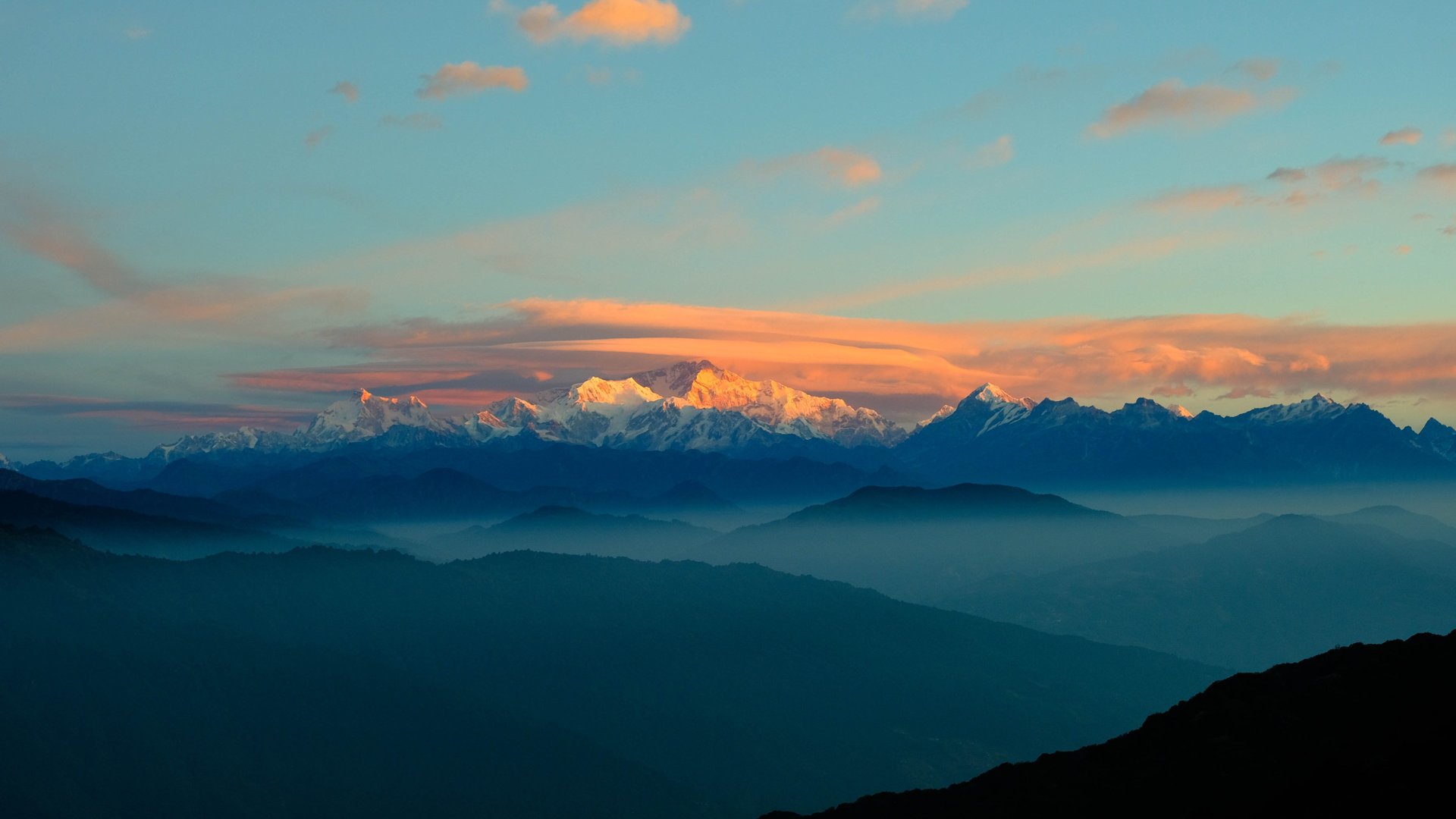

Goechala – The Pass of Myths and Mountains
Where ancient myths, sacred mountains, and timeless trails meet Goechala is more than a trek, it’s a journey into the soul of the Himalayas.
12/8/20252 min read
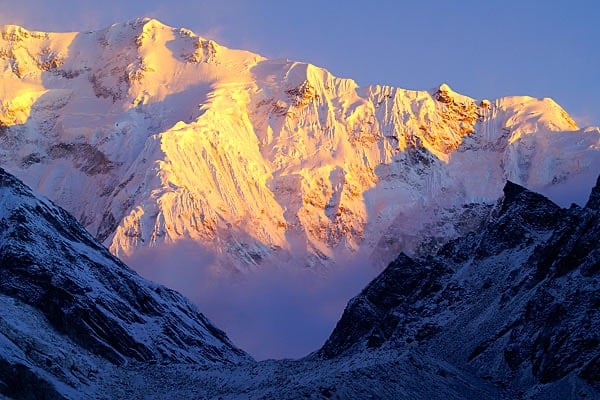
The name Goechala literally means “the pass near Goecha” — with “La” signifying a mountain pass in Tibetan and Bhutia languages. Nestled high in the eastern Himalayas of Sikkim, this sacred pass opens toward the mighty Kanchenjunga massif, a mountain revered for centuries not just for its beauty, but for its spiritual power.
For generations, Goechala has been more than a trekking destination — it has been a threshold between the human world and the realm of gods, myths, and hidden valleys.
Spiritual Beliefs and Sacred Geography
For the Lepcha and Bhutia communities, the landscapes around Kanchenjunga and Goechala are holy ground.
In Lepcha cosmology, this region is known as Mayel Lyang — “the hidden paradise” — a pristine land believed to be created and protected by guardian deities.
Bhutia and Tibetan Buddhists regard the area as a Beyul, a sacred hidden valley of peace and spiritual refuge, prophesied by Guru Padmasambhava (Guru Rinpoche) in the 8th century.
It is believed that only those who enter these valleys with humility and purity of heart may truly experience their spiritual essence. Some legends even speak of hidden monasteries and sanctuaries that reveal themselves only to the worthy.
Out of deep respect for these beliefs, climbers are forbidden from ascending the true summit of Kanchenjunga from the Sikkim side, preserving the sanctity of what locals consider the abode of mountain deities.
The Yeti Legends of Goechala
The dense forests and icy expanses of Goechala have long been linked to tales of the Yeti, known locally as Migoi.
Herders and early explorers reported massive footprints in snowfields around Dzongri and Goechala, sparking stories that still echo through mountain villages.
In Himalayan and Tibetan Buddhist traditions, the Yeti is not a fearsome beast but often a guardian spirit, protecting sacred lands from greed and disturbance. These stories blend seamlessly with the region’s animistic beliefs, reinforcing the idea that the mountains are alive — watchful, powerful, and deserving of reverence.
Tintin and the Himalayan Mystique
The mysticism of these mountains even found its way into global popular culture. In Tintin in Tibet (1960), Tintin ventures into the Himalayas in search of his lost friend, encountering monasteries, snowy passes, and the legendary Yeti.
Although the story is set largely in Tibet, the visual inspiration — prayer flags, remote passes, stark ridgelines — was drawn from regions like Sikkim and the Kanchenjunga range, which fascinated explorers and storytellers of the mid-20th century. Notably, the Yeti in the story is portrayed not as a monster, but as a compassionate being — mirroring the gentle, protective symbolism found in Himalayan folklore.
In Essence
Goechala is not merely a destination marked on a trekking map.
It is a threshold into Himalayan mythology, where mountains are worshipped as gods, valleys are sanctuaries of peace, and the snow carries whispers of unseen guardians. To walk the Goechala trail is to step into a living story one shaped by faith, folklore, and the timeless silence of the high Himalayas
Contact
Reach out for trek bookings or questions
Phone
© 2025. All rights reserved.